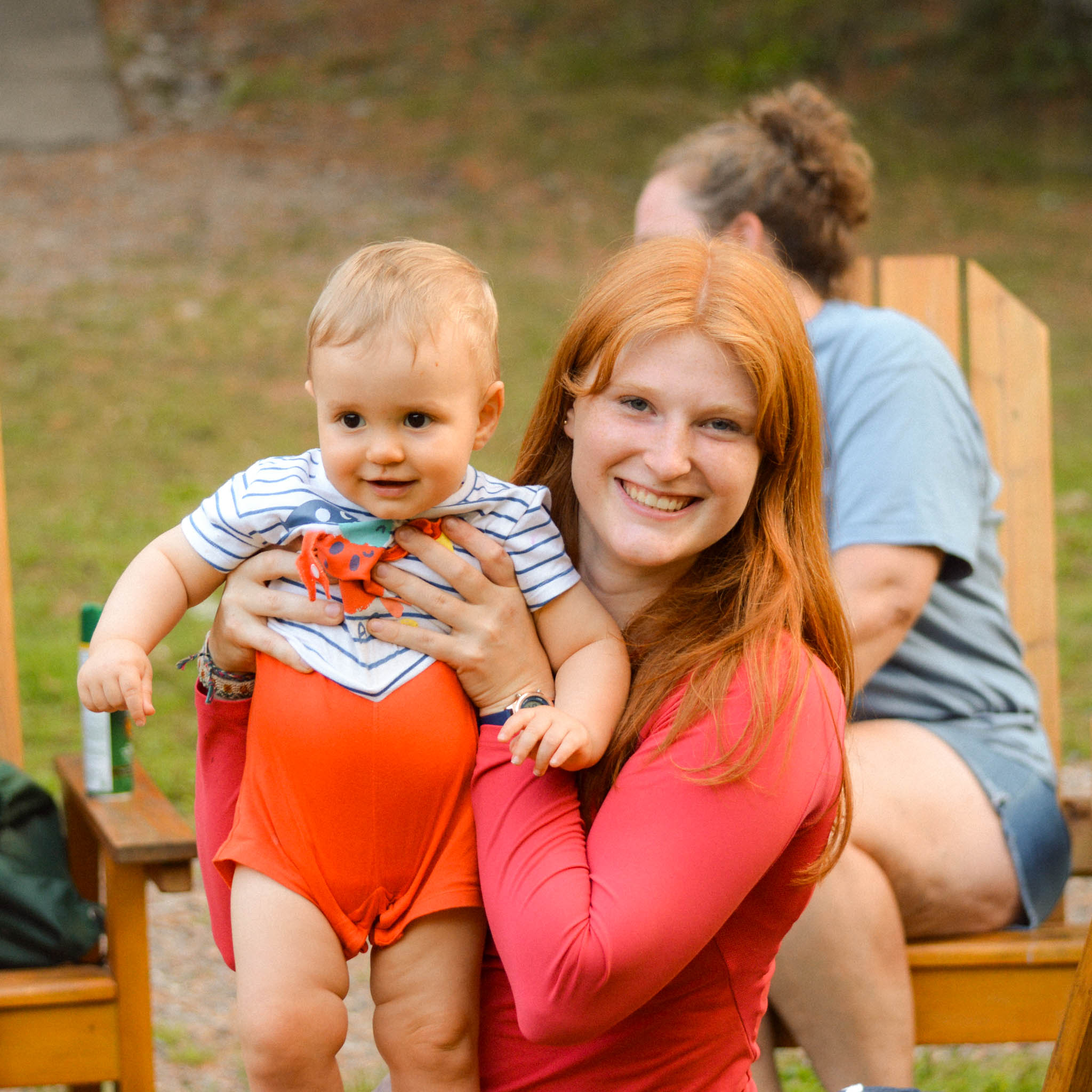
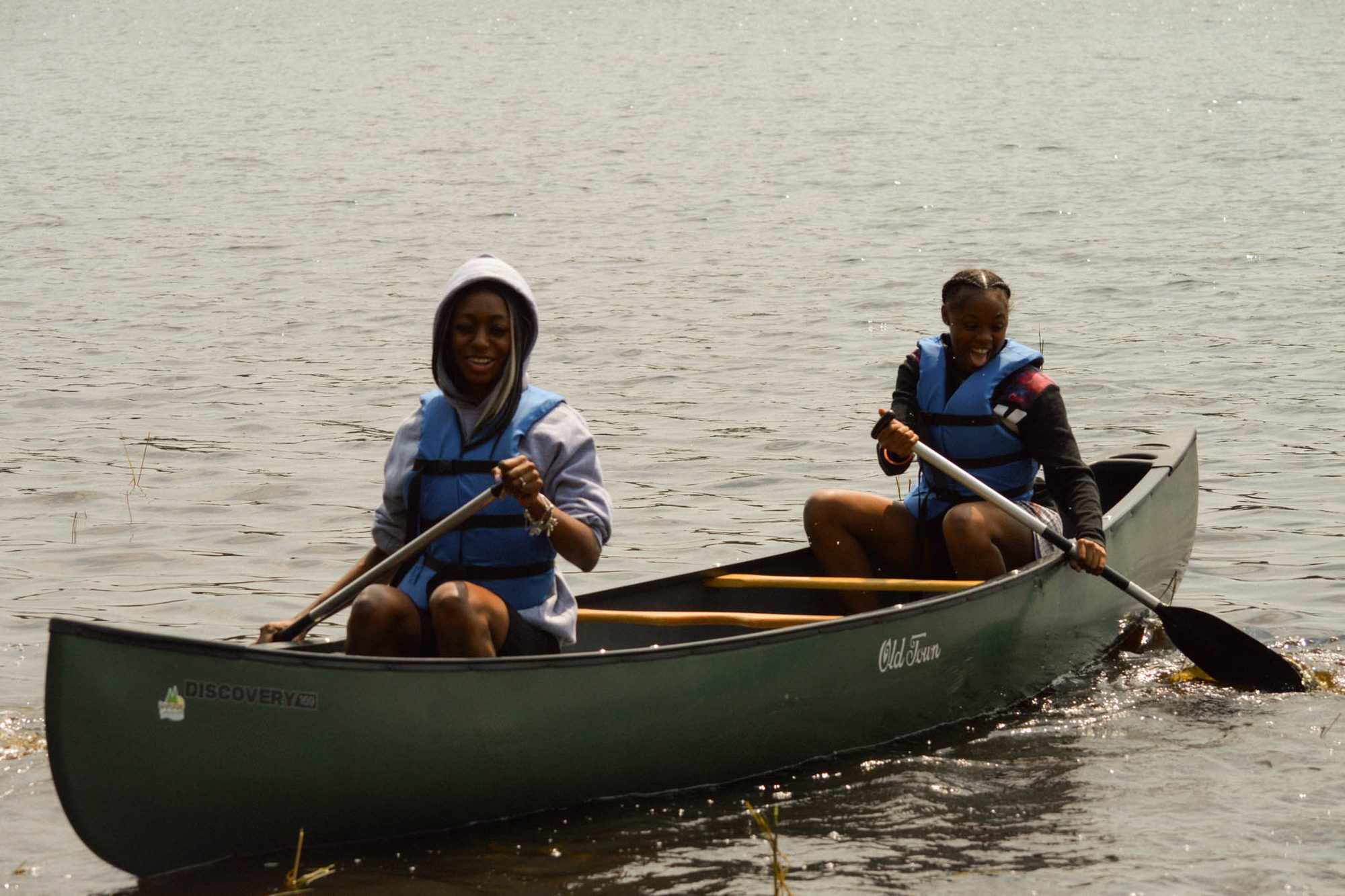

It’s one of the most common questions we hear before Opening Day. Parents often ask what’ll happen if their daughter gets homesick. The honest answer’s that she probably will feel a little bit of that at some point, and that's perfectly normal. Homesickness just means she’s got a home worth missing! Here’s a look at how we handle the big feelings at WeHaKee and what you can do to help from afar.
What actually causes homesickness?
It’s basically a natural stress response. When you’re in a new place with new people and no familiar anchor points, your brain naturally tries to get back to what it knows best. For most campers, this feeling peaks in the first two or three days. It then starts to fade as she finds her footing, builds a routine, and gets swept up in the rhythm of camp. Research shows that these feelings are nearly universal. They usually resolve themselves within the first few days when a child’s in a structured and supportive environment with attentive adults. That kind of environment’s exactly what WeHaKee’s designed to be.
Homesadness vs. Homesickness
At WeHaKee, we like to draw a line between two different experiences. Homesadness is very normal and expected. It’s that quiet kind of missing home where a girl might be a little nervous at breakfast or a bit subdued at our Evening Gathering. She might really want to write a letter home after her first big accomplishment in her activities. Nearly every camper feels this at some point. Our counselors are trained to see it and sit with her so she can move through it without the feeling becoming overwhelming. Once she gets through it, she'll be proud of herself and feel a boost of confidence and independence.
True homesickness is a bit different. It’s more intense and lasts longer, eventually affecting how a girl functions over several days. This is actually quite rare at WeHaKee and affects less than 1% of our campers. If we see this happening, we won’t wait. We’ll give you a call right away.
What our counselors do to help
Two counselors live in every cabin of up to eight girls. They aren’t just there to supervise; they’re there to notice the little things. They see who ate well at dinner, who was more quiet than usual during Valley Time, and who might need an extra check-in before lights out. This personal attention helps us catch homesickness early.
When a girl’s struggling, her counselors don’t tell her to just push through it alone. They’ll sit with her and build a small plan together. They’ll find the things at camp she’s most excited about and help anchor her day around those activities. The goal’s always to help her get to the other side of the hard part while acknowledging that her feelings are real.
Why we stay away from phone calls
This part sometimes surprises parents. However, research consistently shows that phone calls during the first few days of camp can actually make homesickness worse. A girl might be right on the edge of settling in, but then she hears her mom’s voice and the distance between camp and home feels huge again. It often forces her to restart the whole process of adjusting.
Instead, we use the Campanion app so you can send letters and see photos throughout the session. But it's won't pull her out of the camp experience at the exact moment she’s trying to put down roots.
What you can do before she leaves
The most helpful thing you can do is talk about camp in a positive and matter-of-fact way. Instead of saying you hope she won’t get homesick, you can say that she might miss home a little and that’s totally fine. It just means camp’s really going to feel like her own special place by the end of the trip. Try not to promise that you’ll come get her if she’s miserable. That promise gives her an exit strategy when what she really needs is the confidence that she can handle something challenging.
You might also pack a small photo or a note tucked into her bag for her to find on the first night. It won’t "solve" homesickness, but it’ll remind her that she’s loved and that you’re looking forward to seeing her when the session’s over.
If the feelings don’t resolve
If your daughter’s still struggling after the first few days and our support plan isn't helping her move forward, we’ll call you. We’ll talk through what you know about her and what’s helped in the past so we can try a new approach together. In rare cases, we might decide together that it’s best for her to come home early. That’s always a collaborative decision and we’ll never make it without a real conversation with you first.
The outcome most parents fear is a miserable two weeks with no resolution, but that essentially doesn't happen here. Kids either settle in, which the vast majority do, or we’ll work closely with the family before it gets to that point.
A final note for parents
It’s completely normal to feel anxious about homesickness. It means you love your daughter! After more than 100 summers on Hunter Lake, we can tell you that the process really does work. Girls work through the tough parts, find their strength, and come home changed for the better. Trust the camp and trust your daughter. She can handle this.
Related Resources
More from our WeHaKee directors on camp life, safety, and what to expect.